OTT is essentially a catch all-term for different types of streaming video services that use the internet or mobile phone networks to directly deliver content to the viewer. Examples include Netflix, Amazon Prime Video, Disney+, Hulu, Apple TV, Roku, and many others.
OTT stands for ‘Over The Top’. The concept comes from the early days of the technology roll out and the sense that the new companies delivering the services were going ‘over the top’ of the established broadcast companies to reach consumers with the content. Previous to this, the only way to deliver video to domestic viewers was by established and specialist television infrastructure, i.e. TV masts and aerials, satellites and satellite dishes, cable TV etc.
Technically, not just video is delivered via OTT services. Instant messaging apps such as WhatsApp and VOIP services such as Skype are also delivered OTT without the use of underlying established infrastructure.
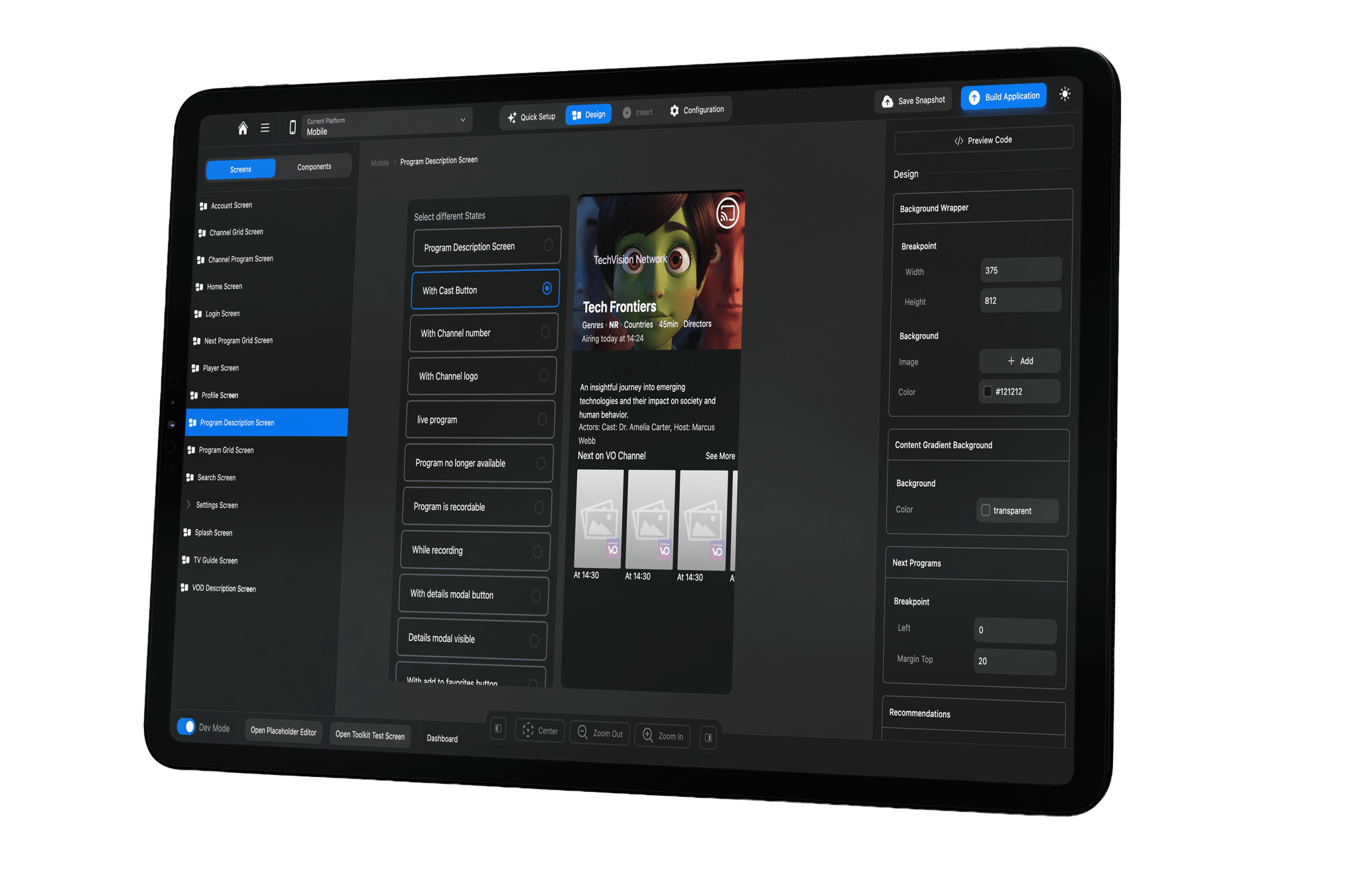
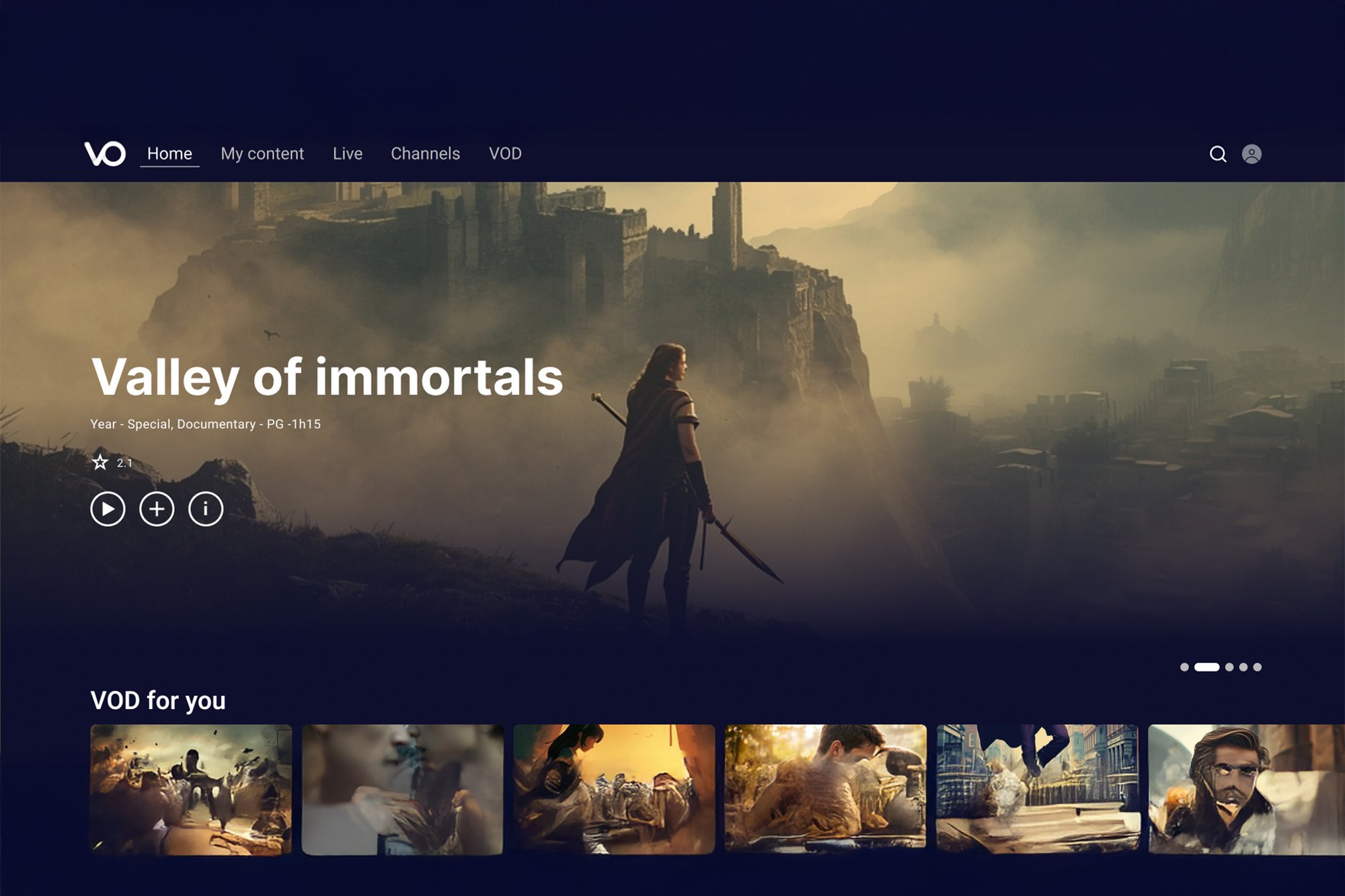
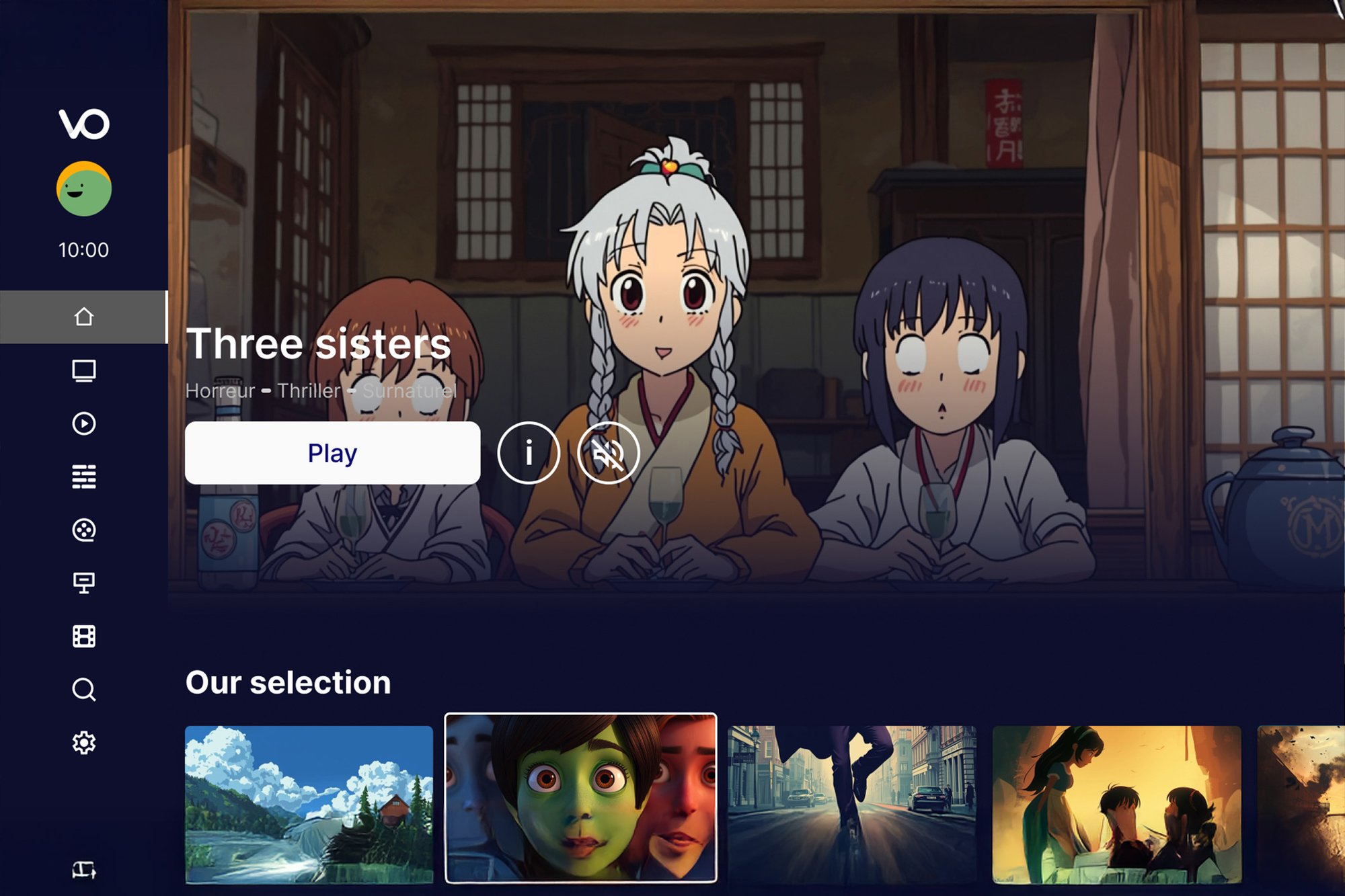
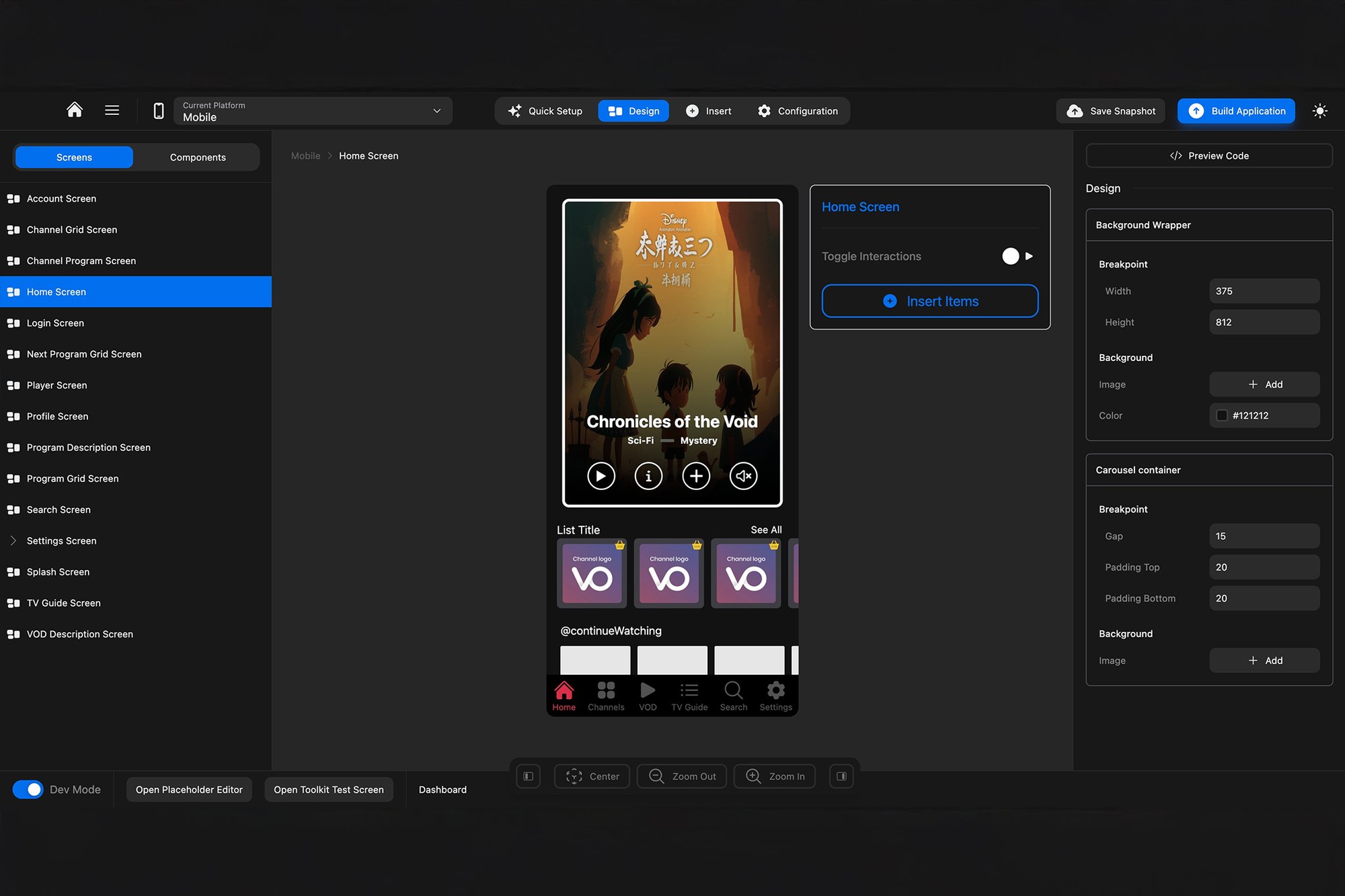
An OTT platform is the tool used by the OTT service to deliver content to its viewers. They comprise a back-end where the content is processed and a front-end which presents the content to the viewer via a User Interface. Typically nowadays, these take the form of apps that are hosted on different operating systems depending on how the content is being viewed.
An OTT Box is any device that allows viewers to access the different types of video streaming services delivered via an OTT Platform. This can be a dedicated dongle that fits into the USB port of a modern TV, or a more sophisticated device with its own internal hard drive to help prevent buffering, which connects via HDMI. Many Connected/Smart TVs have their own operating systems for delivering streaming services, meaning that OTT Boxes are either not necessary or only required for additional functionality.
There are several different types of OTT videos:
SVOD - Subscription Video On Demand. This is the type most commonly associated with OTT. Users pay a monthly or yearly subscription to watch content. Examples include Netflix and Disney+.
AVOD - Advertising Video On Demand. Here the content is delivered either free or at a lower price alongside advertising. Examples include Pluto TV and Peacock.
TVOD - Transactional Video On Demand. Essentially pay-per-view. This is primarily used for movies or for streaming live sporting events.
FAST - Free Advertising Supported Television. Advertising driven, scheduled linear TV channels created from existing on-demand content catalogues.
Note - Many providers are starting to offer tiered services that offer different types of OTT services at different price points: i.e. a premium SVOD service with a cheaper AVOD service alongside it.
OTT advertising, also known as Targeted Advertising, is a technology that allows OTT providers to show viewers different advertisements based on their personal interests. These can include many different things, such as viewer’s age, where they live, what sort of TV shows they like to watch, and more. Most of this data is either given when signing up for a service or deduced from viewing patterns. The technology allows the OTT service to show different adverts in the same timeslot to different viewers, as well as run non traditional ads such as those embedded in the UI of the service, pop-ups, and more.
OTT TV stands for "over-the-top" and refers to streaming video content delivered over the internet, bypassing cable or satellite TV providers. OTT TV services are subscription-based and accessed through internet-connected devices like smart TVs, tablets, and streaming devices.
TV Everywhere is a service offered by some TV networks and service providers that allows viewers to watch live and on-demand TV content on various devices, including smartphones, tablets, and computers.
Some of our top execs break down AI adoption, smart TV fragmentation, and operator priorities in four videos filmed on VO's IBC2026 stand, where the theme of growth taking root took center stage.





















.png?width=100&height=76&name=DCA_2023_Shortlist%20(002).png)